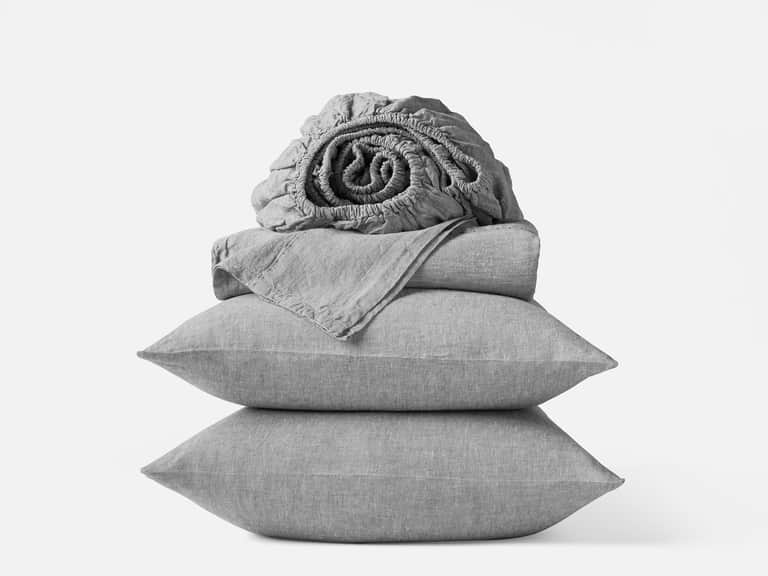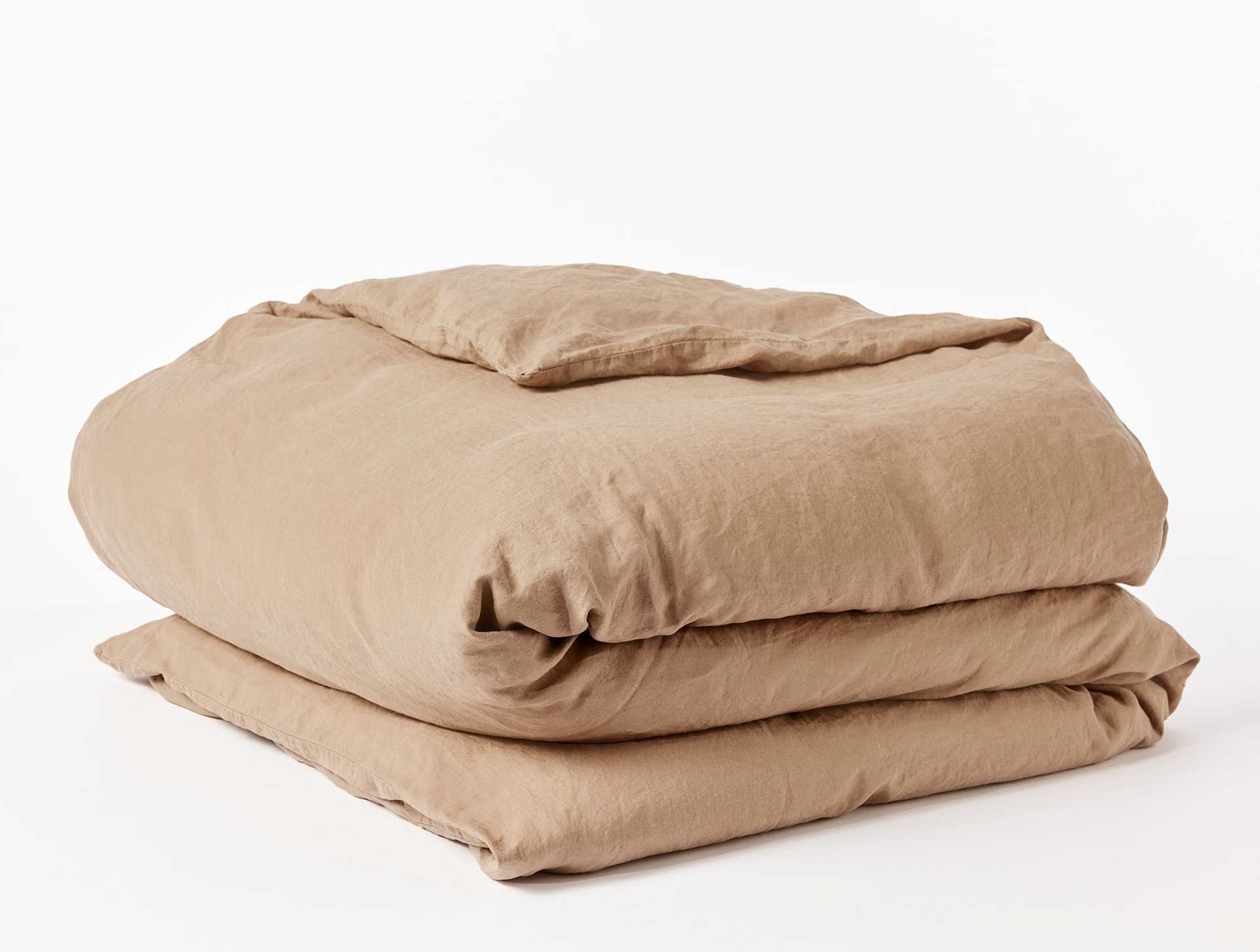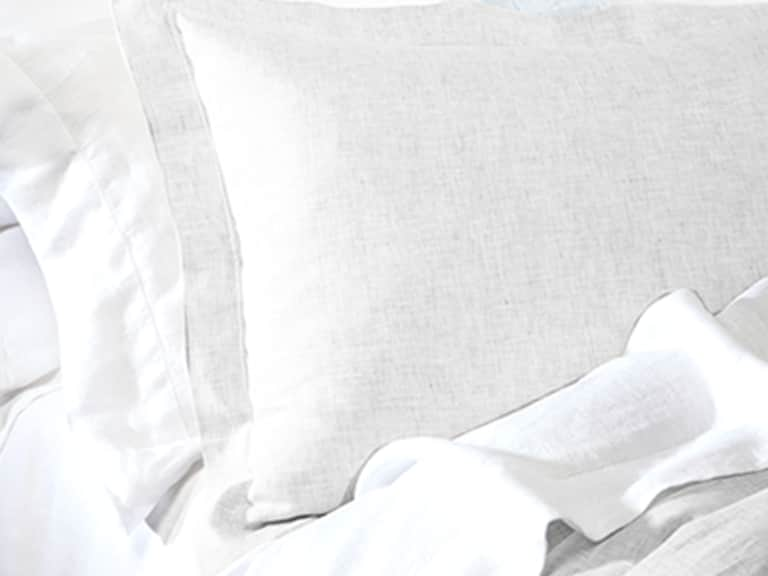
Linen has long held a place of quiet luxury in bedrooms, prized for its breathability, temperature regulation, and the way it ages with grace. For UK sleepers, where damp mornings and changing seasonal warmth meet a diverse climate, linen bedding can feel like a natural ally. Our practical guide dives into linen sheets and pillowcases, unpacking how to evaluate the core details—GOTS certification, weight, weave, and pre-washed finishes—so you can choose linens that truly upgrade your sleep environment.
Why Linen Works in the UK Climate
Independent sleep researchers and textile historians alike point to linen’s superior breathability. The natural flax fibers allow air to circulate and moisture to wick away, which helps maintain a cooler sleeping surface during humid nights and a drier feel when mornings are damp. Linen’s slightly rough texture also forms a tactile cue for comfort that many readers find soothing and grounding. Compared with cotton or synthetic blends, linen’s air pockets and its relaxed drape create a sleeping surface that adjusts with your body’s rhythm rather than fighting it.
For many UK households, linen is more than a fabric; it’s a lifestyle choice aligned with sustainable, European-sourced fibers. When you select linen sheets or pillowcases, you invest in long-term durability and a fabric that improves with washing, developing a softer hand while retaining its natural temperature-regulating properties.
Fabric Deep Dive: What to Look for in Linen Bedding
Key criteria when shopping linen bedding include:
- Origin and Certification: Look for linens that are GOTS-certified, ensuring organic flax and responsible processing. Brands from Europe—such as French flax grown in France and woven in Portugal—often supply consistently high-quality linen with clear traceability.
- Weight and GSM: Linen weights vary; lighter weights (around 120–160 gsm) yield a airy, crisp feel, while mid-weight linens (around 160–190 gsm) strike a balance between drape and durability. For UK climates, mid-weight linen can offer year-round comfort.
- Weave and Finish: Pre-washed or garment-washed linen tends to feel softer from the first use and reduces initial creasing. A subtle loose weave enhances breathability, while a tighter weave increases body and warmth—each option serving different sleepers and room conditions.
- Closure and Fit: Pillowcases with envelope closures prevent slipping; duvet covers with ties or secure buttons keep the insert in place. Fitted linen sheets with deep pockets and durable elastics ensure a tidy, secure fit on a variety of mattresses.
In this guide, we’ll reference linen sheet sets and duvet covers that reflect real-world UK usage, including brands with strong European heritage such as Coyuchi, Libeco, and DownTown Company, and the Layla Linen line as an example of durable, breathable design in a classic white finish.
Product Spotlight: DownTown Company Layla Linen Duvet Cover
From Portugal’s mills with a century of experience comes the DownTown Company Layla Linen Duvet Cover. Made from 100% flax linen and stone-washed for immediate softness, Layla embodies the relaxed, breathable luxury linen offers. The cover’s hemstitch detail and flange provide a quiet, tailored look that elevates a room without shouting for attention. It coordinates well with Layla linen sheets for a cohesive, hotel-inspired bed that remains comfortable and approachable for everyday use.
Key features include:
- 100% flax linen with breathable, moisture-wicking properties
- Stone-washed for soft hand feel and enhanced drape
- Hemstitch detail and flange for understated elegance
- Made in Portugal, ensuring European craftsmanship
For UK readers considering this duvet cover, Layla’s neutral White color pairs easily with varied bedroom palettes and can be layered with linen sheets and sham possibilities to create a calm, cohesive atmosphere conducive to restful sleep.
Care, Longevity, and Everyday Comfort
Linen’s care routine is simple yet important for longevity. Washing linen at cool to warm temperatures with mild detergents helps preserve its fibers. Avoid high heat in drying; line-drying or tumble-drying on a low setting reduces wrinkles while maintaining the fabric’s natural texture. Over time, linen softens with repeated washing, developing a tactile character that many sleepers find comforting.
To maintain the fabric’s integrity, it’s wise to treat linen as you would any premium natural fiber: gentle cycles, minimal chemical exposure, and patience as the fibers relax and mold to your bed’s environment. The result is a sleep surface that remains breathable across seasons and ages beautifully with use.
A Practical UK-Focused Brand Landscape
While the Linen category is broad, UK readers benefit from brands with transparent sourcing and European production. Coyuchi and Libeco are widely cited for their commitment to organic or Belgian linen respectively, while DownTown Company offers a robust Layla Linen line with a distinct European craft identity. For many readers, these brands represent reliable touchpoints when mapping price points, textures, and care guidance against the needs of a British climate.
Additionally, the concept of a linen duvet cover or sheet set can be woven into a broader sleep-wellness framework—embracing sleep science, bedroom environment, and interior design—turning a simple bedding choice into a cornerstone of a healthier sleep ritual in a UK home.
In Conversation: Three Key Individuals Through Time
The story of linen and sleep is not only about fabric; it’s about people who shaped textiles, comfort, and wellness across centuries. Here are three individuals from different eras who help illuminate how linen bedding intersects with culture, science, and design:
- Marie-Antoinette, 18th Century Europe — In a time when textile aesthetics defined court life, linen sheets and nightwear were essential markers of status, cleanliness, and personal care. The way linen drapes across a bed and feels against the skin influenced notions of comfort and hospitality in grand homes and inns alike, laying groundwork for linen’s enduring association with refined, calm bedrooms.
- Sir William Osler, 19th-20th Century Medicine — Often called the father of modern medicine, Osler championed the importance of rest and well-being. Although not a bedding designer, his advocacy for restful sleep as a pillar of health resonates with today’s sleep-health narratives. Linen’s breathable properties align with the understanding that a cool, comfortable sleep environment supports restorative sleep—a concept Osler would likely have endorsed in contemporary terms.
- Ingegerd Råman, 20th-21st Century Design — A celebrated figure in Scandinavian-influenced interiors, Råman’s approach to textiles emphasizes tactile, natural materials and serene, functional aesthetics. Linen bedding, chosen for its natural fibers and evolving texture, mirrors her design ethos: timeless, breathable, and quietly luxurious. Her perspective helps readers connect linen’s physical feel with a mood of calm and clarity in the bedroom.
UK Sleep Environment Checklist: Practical, Downloadable Tips
- Set a consistent bedtime and create a calm pre-sleep ritual to maximize linen’s cooling benefits.
- Pair linen sheets with appropriate room temperature strategies: breathable curtains, light duvets, and a steady sleep-friendly microclimate.
- Choose pillowcases with envelope closures to prevent nightly slipping and to preserve a neat bed presentation.
- Schedule a biannual refresh of linen care rituals—washing, drying, and storage—to maintain softness and longevity.
Conclusion: Linen Bedding as a Path to Better Sleep in the UK
Selecting linen bedding in the UK context goes beyond fashion; it’s an investment in a sleep environment designed to support a healthier, calmer night’s rest. From the breathable, moisture-wicking benefits of linen to the durable, timeless finishes of signature duvet covers like the Layla Linen Duvet Cover, linen offers a practical path toward cooling comfort and lasting quality.
As you explore the linen landscape, consider how each choice—fabric weight, weave, and finish—fits your seasonal needs and nightly routines. The UK climate, with its cozy mornings and variable evenings, rewards fabrics that breathe and adapt. Linen, in its many forms, stands out as a lighting-quick route to a sleep-ready bedroom that feels as good as it looks.