Bedding & sleep comfort
Sleep and Beyond Comforters: A Guide to Fill, Weight, and Seasonal Warmth
A comforter can turn a bed into a cosy retreat—or leave you kicking off the covers at 2 a.m. The right choice depends on more than its label: fill, construction, warmth, room temperature and the feel you like against your body all matter. Here’s how to compare comforters thoughtfully and create a sleep setup that works through the changing seasons.
Start with how you sleep, not a number on the label
When shopping for Sleep and Beyond comforters, or comparing comforter styles more broadly, begin with a simple question: what happens under your current bedding? Do you wake up too warm, reach for an extra blanket in the early hours, or feel comfortable but weighed down? Those everyday clues are more useful than choosing a comforter because it is described as “all-season” or “extra cosy.”
Warmth is personal. It is shaped by your own temperature preferences, the room you sleep in, the duvet or comforter construction, and the other layers on the bed. A cool bedroom with a light top sheet calls for a different setup from a well-heated room with a mattress protector and several blankets. Even two people sharing a bed may want different levels of insulation.
Also note the difference between a comforter and a duvet cover. A comforter is a filled bed covering, usually designed to be used on its own or with a removable cover. A duvet cover is the washable outer layer that encases a duvet insert. The terms are sometimes used loosely in retail descriptions, so check what is actually included before buying. A cover can change the feel and care routine, but it does not tell you what the filling inside a comforter is.
Fill: what is inside makes a difference
Fill affects how a comforter drapes, how much warmth it provides, how quickly it responds to changes in temperature and what kind of care it needs. Natural comforters often appeal to people looking for a particular hand feel or material story, while synthetic fills can suit shoppers prioritising straightforward maintenance or specific practical requirements. Neither category is automatically right for everyone; the details of construction and care matter.
Down and feather fills
Down consists of the soft clusters found beneath the outer feathers of certain birds. It is valued for its lightness and insulating ability. A down comforter can provide substantial warmth without feeling as dense as some alternatives, although the experience depends on the fill quality, amount, baffling and outer fabric. Feather blends may feel heavier or have a different texture. If you are considering down, read the full material description and care instructions, and look for clear information about sourcing and any relevant certification rather than relying on a general “natural” claim.
Wool and other natural fills
Wool is another natural option. Its feel and performance depend on the way the fibres are processed and assembled, but it is often chosen by people who prefer a substantial, breathable layer. Cotton fill may have a flatter, more familiar feel, while silk fill is often comparatively light and can be delicate to care for. The word “natural” does not guarantee that a comforter will feel cool, hypoallergenic or suitable for a particular sleeper. Check the composition and manufacturer’s guidance, especially if you have sensitivities or specific care needs.
Synthetic fills
Polyester and other synthetic fills are widely used in comforters. They may offer a lower-maintenance alternative, and some products are designed to be machine washable. Their warmth, weight and breathability vary considerably. A comforter’s label should give more useful information than a broad material name alone: look for stated warmth, construction, washing instructions and whether the item is intended for year-round or seasonal use.
If you are comparing a specific Sleep and Beyond comforter, use the product’s own specifications as your guide. Check what the fill is made of, whether the product is a comforter or an insert, how it is constructed, and how the maker recommends cleaning it. Do not assume that a brand’s name or a collection title alone tells you its exact warmth or materials.
Comforter weight is not the same as warmth
“Weight” can mean more than one thing. It may describe the total weight of the finished comforter, the weight of its filling, or simply the impression it gives when spread over the body. These are related, but they are not interchangeable. A heavier comforter is not necessarily warmer, and a lightweight one can still insulate effectively if its fill and construction trap air efficiently.
Construction helps determine how evenly the filling stays in place. Stitch-through designs sew the top and bottom layers together at intervals, creating visible compartments. Box or baffle construction uses internal walls to give fill more space and can help limit cold spots, though the exact result depends on design and materials. In either case, look for fill that appears evenly distributed and consider how the comforter is likely to behave after regular use and laundering.
Some labels use warmth ratings, tog values or descriptions such as light, medium and heavyweight. These can be helpful when the manufacturer explains how they are measured, but systems are not always directly comparable across brands. Treat a rating as a starting point, then consider your bedroom temperature and preferred sleep layers. If you cannot find clear warmth guidance, customer service or the product’s care and specification pages may answer questions that marketing language does not.
- Lightweight: often a sensible choice for warmer bedrooms, summer use or people who dislike a heavy layer.
- Medium weight: can suit moderate room temperatures and sleepers who want everyday coverage without a strongly enveloping feel.
- Heavier weight: may be appealing in a cooler room or to someone who likes a more substantial bed, but can feel too warm in a heated space.
Think in seasons—and in bedroom temperatures
Seasonal bedding is not a strict calendar exercise. UK weather can shift quickly, and indoor temperatures vary with insulation, heating habits, floor level and whether a bedroom faces the morning or evening sun. Instead of assuming that one comforter will perform perfectly every month, consider whether you want one adaptable layer or a small rotation of bedding.
Spring and autumn: the in-between months
These seasons can bring cool nights followed by milder mornings. A medium-warmth comforter may work well if your bedroom stays fairly stable, while a lighter comforter paired with a removable blanket gives you more flexibility. Adjustable layers are especially helpful for couples with different comfort preferences: one person can add a throw to their side without changing the entire bed.
Summer: let the room set the pace
When nights are warm, a thick comforter may hold more warmth than you want. A lightweight comforter, a thin blanket or simply a sheet can feel more comfortable, depending on the room and your personal preference. Breathable bedding materials can contribute to a less stuffy feel, but no fabric can compensate fully for a room that is persistently hot. Choose a cover layer that feels pleasant against the skin, and keep an easy-to-reach lighter option nearby for cooler nights.
Winter: cosy without overdoing it
In colder months, warmth comes from the whole sleep system, not just the comforter. Sheets, nightwear, mattress layers, draughts and room temperature all play a part. A warmer comforter can be a good fit for a chilly bedroom, but adding multiple insulating layers to a well-heated room may make it uncomfortable. Consider how you feel after you have been in bed for a while, not just when you first climb in. The bed can feel cool at first and warmer once your body has settled under the covers.
A practical test is to keep a short note for a week: room conditions if you know them, which layers you used, and whether you woke too warm or too cold. It can help separate a comforter problem from a broader bedroom-temperature issue.
How the cover and shell affect the experience
The outer fabric is the part you touch, so it influences the comforter’s feel, sound and drape. Cotton is a familiar choice, while linen has a more textured, relaxed surface. The shell’s weave, finish and construction can affect how it feels in use. Pay attention to the quality of stitching and the way the comforter is finished, as well as whether its surface is compatible with the cover you intend to use.
For a duvet-style setup, a removable cover can protect the insert and simplify regular washing. Check for corner ties or other attachment points if the insert tends to shift inside a cover. Make sure the cover and insert are compatible in size: a mismatch can leave loose corners, bunching or an awkward fit. Follow the care instructions for each layer separately rather than assuming they can be washed together.
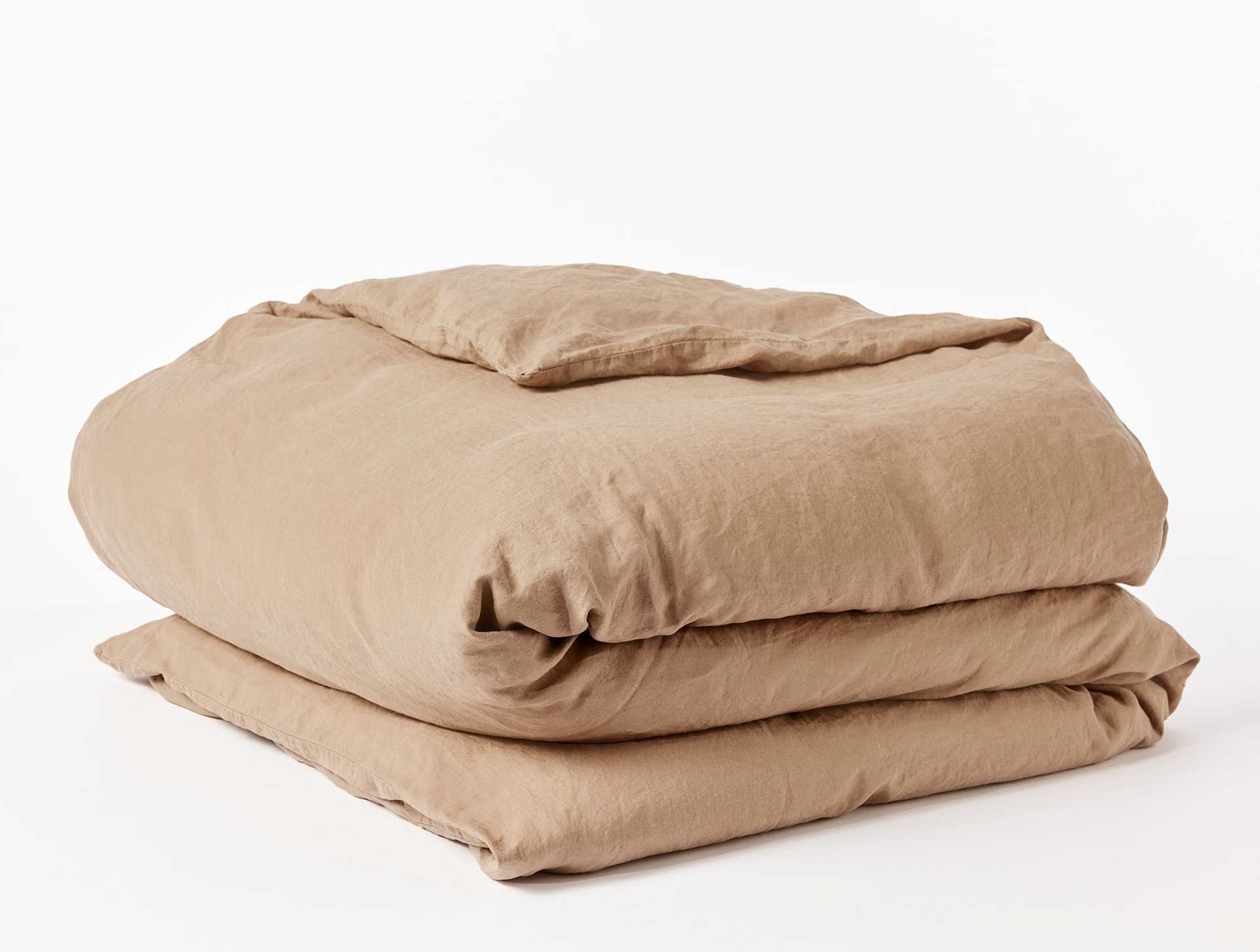
For example, the Organic Relaxed Linen Duvet Cover is a cover, not a filled comforter. Its listing describes GOTS-certified organic French linen, an interior flap, coconut shell buttons and inside ties. The care directions call for a cold, gentle wash and low tumble drying. It could be considered as an outer layer for a compatible duvet insert, but it does not specify the insert’s fill or warmth. That distinction is important when you are comparing comforter warmth.
Another option, the DownTown Company Layla Linen Duvet Cover, is described as stone-washed flax linen with a breathable, relaxed feel. It is also a cover rather than a filled comforter. Its fabric may be part of the sleep experience, but the warmth of the finished bed will depend substantially on the insert and other layers you pair with it.
A simple comforter buying checklist
Before settling on a comforter, pause over the details that shape day-to-day use. Product pages can be full of appealing descriptions, but a few practical checks help make comparisons clearer.
- Confirm what you are buying. Is it a filled comforter, a duvet insert, or only a cover?
- Read the fill composition. Look for exact materials and, where available, information on fill amount and construction.
- Check warmth guidance. A clear seasonal or warmth description is more useful than a vague promise of year-round comfort.
- Match the size to your bed. Compare finished dimensions with your mattress and preferred amount of overhang.
- Review care instructions. Consider whether the item can be washed at home, needs a large-capacity machine, or requires specialist care.
- Consider your sleep preferences. Think about whether you like a light, airy layer or a more substantial covering.
- Check the return policy. Bedding is personal, and a clear policy can matter when you are uncertain about feel or fit.
- Look for meaningful claims. If a product describes itself as organic or certified, check which component the claim applies to and what the certification covers.
A useful comparison is not simply “Which is warmest?” but “Which option gives me the warmth I need, in the weight I enjoy, with care requirements I can manage?” That question keeps comfort, practicality and longevity in view at the same time.
Care can help bedding stay comfortable
Care instructions are part of the buying decision, not an afterthought. A comforter may need a large drum to move freely through a wash, and overfilling a machine can prevent it from rinsing properly. If the label specifies professional cleaning or a particular wash temperature, follow that guidance. For covers, frequent laundering is usually simpler than washing a bulky insert, which is one reason many people prefer a duvet-and-cover arrangement.
Between washes, air bedding when practical and make sure it is fully dry before storing it. Damp storage can leave fabric smelling stale and may affect the filling. Follow the manufacturer’s advice on drying and storage, and avoid assuming that high heat is safe for every material. If a comforter has compartments, check after washing that the fill is evenly spread once the item is dry.
A breathable, durable cover can also help protect an insert from routine wear. Linen covers, for example, are valued for their textured appearance and relaxed drape, but their care still depends on the product’s individual instructions. Gentle washing and avoiding unnecessary high heat may help preserve the fabric’s feel over time.
Natural materials: useful qualities, no magic promises
Natural comforters and covers attract interest for good reasons: many people enjoy their feel, prefer certain fibres or want to understand where their bedding comes from. But natural materials are not a universal solution for overheating, allergies or poor sleep. Individual comfort varies, and labels such as “breathable,” “cooling” and “hypoallergenic” should be understood in context. A material’s effect depends on the full construction, the room and the person using it.
If you have a diagnosed allergy or a medical concern, bedding is only one part of the picture. Seek advice from an appropriate health professional when needed, and check product composition rather than relying on broad claims. Organic certification can help clarify how particular fibres were grown or processed, but it is not a guarantee that a product will feel a certain way or suit every sleeper.
The most dependable approach is to select materials you enjoy, understand their maintenance requirements and be realistic about the role bedding can play. Comfort matters, but it sits alongside room temperature, light, noise and consistent sleep habits.
Build a flexible sleep setup
Rather than searching for one perfect comforter that does everything, think of the bed as a set of coordinated layers. A sheet provides the first surface against the skin. A cover or blanket adds a different texture and some warmth. The comforter or duvet insert supplies the main insulation. A light throw can provide a small adjustment without requiring a complete seasonal change.
This approach can be useful in homes where heating varies from room to room. It also makes it easier to adapt when the weather turns unexpectedly. If you share a bed, separate blankets or different layers on each side may be more comfortable than trying to find a single warmth level that suits both people perfectly.
Keep the bed itself in mind, too. A mattress protector, a thick mattress topper and tightly fitted sheets can all influence how warm the sleep surface feels. If your comforter seems too hot despite being a relatively light style, inspect the full arrangement before replacing it. Sometimes changing one layer or adjusting the bedroom environment is enough to improve comfort.
The bottom line on comforter warmth
The best comforter is not necessarily the heaviest, most expensive or most heavily promoted. It is the one that suits the temperature of your bedroom, the way you sleep and the level of care you are comfortable providing. Fill gives you clues about feel and insulation; construction affects how the filling is distributed; weight can describe several different things; and seasonal suitability depends on the entire bed, not a single layer.
When exploring Sleep and Beyond comforters, check the precise product details rather than assuming that every style has the same fill or warmth. Compare the material, construction, stated comfort level, dimensions and care requirements. If the item is a duvet cover rather than a filled comforter, choose its insert separately and assess the warmth of that insert on its own terms.
A comfortable bed is often less about getting every detail exactly right on the first try and more about making thoughtful adjustments. Start with how you actually sleep, choose a practical warmth level, and let your room and the seasons guide the rest.
Quick takeaways
- Fill type, construction and the outer shell all contribute to how a comforter feels.
- Weight and warmth are related but are not the same thing.
- Bedroom temperature and personal preference matter more than season labels alone.
- Check whether a listing is for a comforter, duvet insert or cover before comparing prices or warmth.
- Use care guidance and exact product specifications to make an informed choice.
- Layering can make a bed easier to adapt to changing weather and different sleep preferences.