Sleep comfort • Natural bedding • Care guide
Wool Comforters for Year-Round Sleep: Fill, Weight and Care
A good comforter should feel reassuringly warm, not like a blanket you have to escape from at 3 a.m. Wool is one natural fill worth considering: it can hold warmth while allowing moisture to move away from the body. But the experience depends on more than the fibre. Fill weight, quilting, room temperature and your own sleep habits all play a part.
Here’s how to assess wool comforters, choose a weight that suits your bedroom, and care for the bedding you already have—without expecting one comforter to work exactly the same way for every sleeper or every season.
Why wool has a place in the bedroom
Wool is often associated with cosy winter layers, yet a wool comforter does not have to feel heavy or stuffy. Wool fibres can trap pockets of air, which helps provide insulation, while also taking up and releasing some moisture vapour. That combination is one reason wool bedding is often described as breathable and temperature regulating.
Those qualities can make wool appealing to people who want warmth but dislike the clammy sensation that sometimes comes with a sleep surface that retains too much heat or moisture. They are not a guarantee of a particular night’s sleep, however. The result depends on the comforter’s construction, the duvet cover, the room and the sleeper. A lightweight wool comforter in a cool, draughty room may feel very different from a heavier one in a well-heated flat.
It is useful to think of a comforter as one part of a bedding system. Sheets, sleepwear, mattress materials and the temperature of the bedroom all influence how warm you feel. If you regularly wake up hot, changing the comforter alone may not solve the problem; a lighter cover, fewer layers or a cooler room may matter just as much.
Fill weight: the number that needs context
Fill weight refers to the amount of filling used in a comforter, usually expressed as a total weight or as weight per unit of area. It is a useful point of comparison, but it is not a universal warmth rating. Comforter dimensions, wool type, quilting pattern and the way the fill is distributed can all affect how the bedding feels.
When comparing options, check whether the maker gives the fill weight for the whole item or a figure per square metre. A larger comforter naturally uses more material, so a total weight alone may not tell you whether it is warmer than a smaller one. If there is a warmth guide, season rating or recommended room-temperature range, read it alongside the weight rather than treating any single figure as decisive.
A higher fill weight often means more insulation, but “more” does not automatically mean “better.” A person who runs warm, shares a bed with a warm sleeper or keeps the bedroom heated may prefer a lighter layer. Someone in a cool room, or one who likes a substantial covering, might lean towards a heavier option. Your comfort matters more than a broad label such as all-season.
- For warmer sleepers: Look for a lighter construction and consider whether a separate top sheet gives enough flexibility.
- For cooler bedrooms: A higher fill weight may offer more insulation, but consider the room’s usual night-time temperature and how much sleepwear you wear.
- For changing seasons: A medium-weight comforter can be a practical middle ground, especially if you can add or remove a blanket as needed.
- For couples with different preferences: Two separate lightweight covers can sometimes be easier to manage than one compromise comforter.
These are starting points, not prescriptions. If possible, review the manufacturer’s measurements and return policy before choosing. Wool comforters are not interchangeable, and the same weight can feel different across brands and constructions.
Construction shapes the feel
The quilting or stitching determines how the fill is held in place. In a sewn-through design, the top and bottom layers are stitched together at intervals. This can help limit movement of the filling, although the stitched lines may feel less insulated than the filled sections. Other constructions use internal channels or compartments to keep the wool distributed. The details differ by maker, so examine the description rather than assuming that all comforters are built alike.
Even distribution matters for comfort over time. If fill shifts into clumps or gathers at the edges, the comforter may develop thinner and thicker areas. A well-made design, gentle handling and care in line with the maker’s instructions can help preserve the intended structure. Ask whether the item is designed to be shaken, aired or professionally cleaned, and whether it has a removable cover or a washable outer shell.
Also consider size. A comforter that is too small can leave cold gaps when it is shared, while an oversized one may be difficult to manage and may not fit your washing machine or storage space. Check the actual dimensions against your mattress and bed setup. UK bedding sizes and international product labels do not always match exactly, so rely on measurements rather than the name of the size alone.
Can one wool comforter work all year?
It may, depending on its weight and the conditions in your bedroom, but “year-round” is not a promise that every person will feel comfortable under the same layer in July and January. British homes vary widely: some bedrooms are warm and well insulated, while others cool down quickly at night. The weather outside is only part of the story; heating schedules, windows, building age and personal temperature preferences matter too.
Instead of searching for a perfect all-season label, think in terms of flexibility. A medium-weight wool comforter may suit a stable, temperate bedroom. If your room changes dramatically with the seasons, a lighter comforter paired with an extra blanket can offer more control. In warmer months, you might use a sheet on its own, then add the comforter when nights turn cooler.
Notice patterns over several nights. If you wake hot, consider whether the bedroom is warm, the cover is too insulating or several layers are trapping heat. If you wake cold, check for gaps around the bed, a thin layer or a room that cools overnight. A brief sleep diary can help you distinguish a recurring issue from one unusually warm or chilly night.
Comfort is personal, and a comforter cannot diagnose or treat sleep problems. Persistent night sweats, unexplained temperature changes or disrupted sleep may have causes beyond bedding. If those concerns continue, seek advice from a qualified health professional rather than relying on a textile change alone.
The rest of the bedding matters, too
A comforter sits against a duvet cover, and that cover influences the feel of the whole bed. A breathable natural-fibre cover may suit people who prefer a relaxed, airy surface, while the weave and finish can change how crisp, smooth or textured it feels. A cover also protects the comforter from regular contact, making it easier to keep the sleep setup fresh between deeper cleaning.
Linen is one option for a natural bedding arrangement. Its texture and drape differ from cotton, and it may feel crisp or substantial at first before softening with use. If you are considering organic bedding, check exactly what a certification covers and read the care label: a claim about one component does not automatically describe every part of a bedding set.
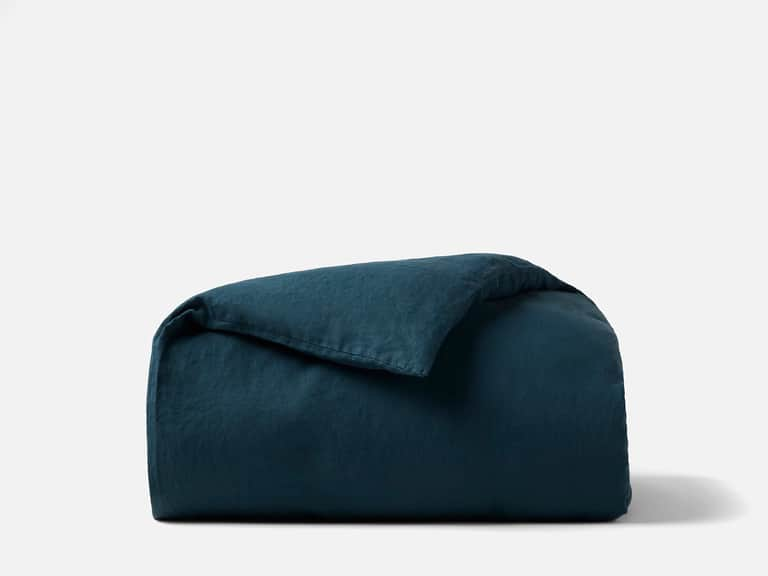
For example, the Organic Relaxed Linen Duvet Cover is described as GOTS-certified organic French linen woven in Portugal, with an interior flap, coconut shell buttons and inside ties. It is a duvet cover—not a wool comforter—so it would serve as the outer layer over a compatible insert. Its stated care instructions call for a cold, gentle wash with like colours and low tumble drying; always check the current product label before laundering.
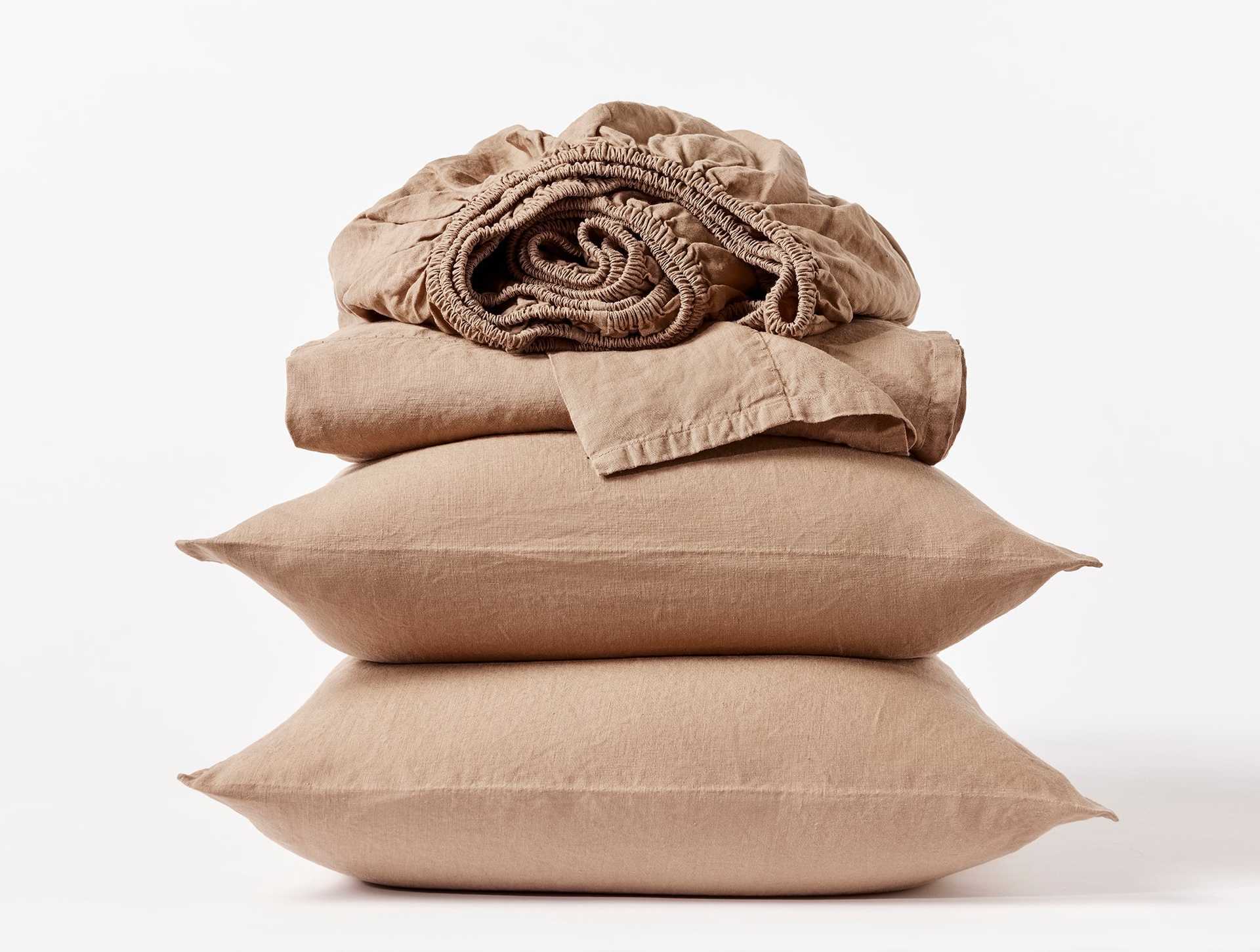
Sheets can complete the system without needing to match the comforter’s fibre. The Organic Relaxed Linen Sheet Set is described as breathable linen that softens with use, with a fitted sheet featuring a 15-inch-deep pocket. Choosing a sheet set for your preferred feel and mattress fit can help make the bed more comfortable, regardless of whether the top layer is wool.
Keep the practical basics in view: make sure the duvet cover is the right size, secure any internal ties if the comforter has loops, and avoid forcing a bulky insert into a cover that is too small. A poor fit can cause bunching, movement or awkward corners, which may undermine the comfort you were trying to create.
Wool comforter care: protect the fill
Care instructions vary. Some wool comforters are designed for specialist cleaning, while others may have a washable cover or specific spot-cleaning guidance. Do not assume that because wool garments can sometimes be washed at home, a filled comforter can go through the same process. The size of the item, the outer fabric, the wool treatment and the construction all affect what is safe.
Before cleaning, read the care label and the maker’s instructions in full. Check whether they specify a particular wash temperature, cycle, detergent or drying method. If the instructions say dry clean only, do not substitute a home wash. If machine washing is permitted, confirm that your machine can accommodate the comforter without compressing it tightly; an overfilled drum may clean unevenly and put strain on both the fabric and the appliance.
Between washes, airing is often a simple first step. On a dry day, drape the comforter over a clean rail or a suitable outdoor line in a well-ventilated, shaded place, following the manufacturer’s guidance. Letting air circulate can help bedding feel fresher. Avoid prolonged damp conditions and strong direct sunlight if the care instructions warn against them, and bring the comforter indoors before the weather changes.
For a small spill, act promptly but gently. Blot rather than rub, use only a method approved by the maker, and avoid saturating the filling. Excess water can be difficult to remove from a thick textile and may leave the comforter damp for too long. For substantial spills, persistent odours or stains, ask the manufacturer or a professional cleaner familiar with wool-filled bedding for advice.
When a comforter needs to be stored, make sure it is completely dry first. A breathable storage bag or clean cotton cover is preferable to sealing it away while damp. Store it in a dry, ventilated space, away from direct heat and anything that could snag the fabric. Avoid compressing it for long periods unless the maker specifically recommends that method.
A practical checklist before you choose
A little preparation makes the choice more straightforward. Before buying, note how warm your bedroom tends to be at night, what you currently sleep under and whether you usually wake too hot or too cold. Then compare the comforter’s details against those observations.
- Check the fill measurement: Find out whether the stated weight is total fill or fill per area, and compare items of similar dimensions.
- Read the construction details: Look for information about stitching, compartments and how the wool is kept in place.
- Confirm dimensions: Compare the actual measurements with your mattress and duvet cover rather than relying only on a size name.
- Understand the care commitment: Check whether the comforter is washable, requires specialist cleaning or has other restrictions.
- Review material and certification claims: Look for clear information about the wool and any organic or other certification, including what it applies to.
- Consider your whole sleep setup: A duvet cover, sheets, sleepwear and bedroom temperature all contribute to the final feel.
- Plan for different seasons: Decide whether one moderate layer suits your routine or whether separate lighter and warmer layers would be easier to adjust.
Labels such as “natural,” “organic” and “temperature regulating” can be useful, but they do not replace product specifics. Ask what the claim means, what materials are included and how the item should be maintained. A transparent care label is just as valuable as an appealing description.
A calmer route to comfortable sleep
Wool comforters can be a thoughtful choice for sleepers looking for a natural fill with insulating and moisture-managing qualities. The key is matching the fill weight and construction to your real bedroom conditions rather than choosing by a season label alone. A lighter, adaptable layer may suit one household; a warmer comforter may be more comfortable in another.
Pair the comforter with a well-fitting cover and sheets that feel right against your skin, and follow the care instructions instead of relying on guesswork. Air bedding between washes when appropriate, keep it dry in storage and handle stains promptly but gently. These simple habits can help maintain a pleasant sleep setup without turning laundry into a complicated project.
Most importantly, treat comfort as something you can fine-tune. Pay attention to how you sleep, adjust layers when the room changes and give yourself time to assess a new bedding arrangement. The best natural bedding is not simply the one with the most impressive claims; it is the one that fits your needs, your home and the care you can realistically provide.